Looking for something specific? We carry more than what you see here. Speak with our team to firm up your search!

Please, add your first item to the wishlist

Wall-Mounted vs. Deck-Mounted Bathroom Taps: Which One to Choose?

Share Post:

Looking for a bathroom tap seemed simple, until you realised there’s more than one type. Now you’re seeing terms like “wall-mounted” and “deck-mounted,” and you’re not sure which one actually makes sense for your space.

So, we made a guide where you’ll learn how each type looks, how it fits into your bathroom layout, and what to consider before making a decision.

Shop for our bathroom taps now at Sim Siang Choon Singapore’s official store on Shopee or Lazada!

How Bathroom Taps Differ: A Quick Breakdown

Every bathroom tap falls into one of two categories based on where it’s installed, on the wall or on the basin.

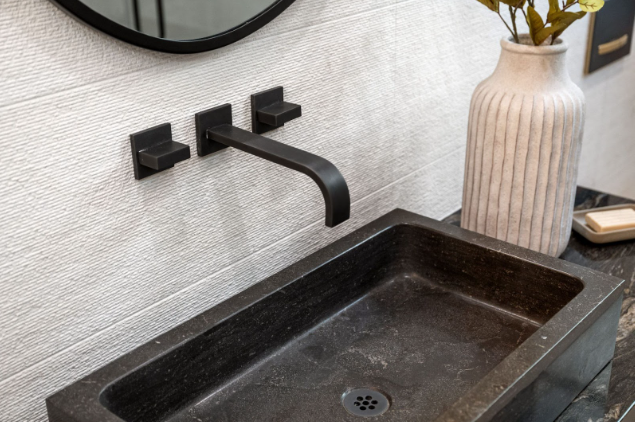
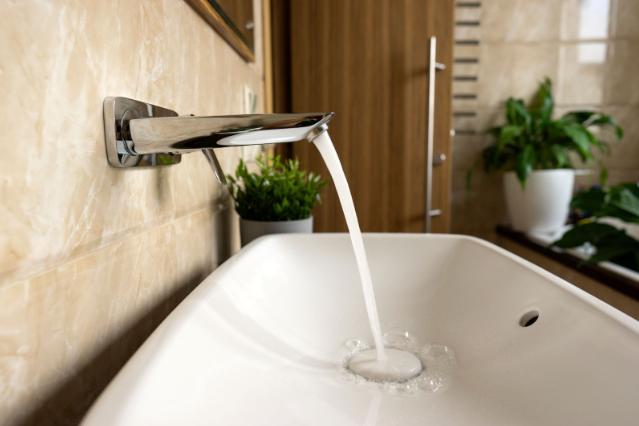
Wall-mounted taps are installed directly on the wall above the basin. The plumbing is concealed behind the wall, giving a clean look with no fittings on the basin or countertop.

Deck-mounted taps are fixed onto the basin or the surrounding counter. The plumbing connects from below the basin, often visible under the vanity or sink.

The difference comes down to where the tap sits and how that affects installation, maintenance, and appearance. 

black tap in a bathroom
(Source: Envato)

Choosing the Right Bathroom Tap for Your Space and Style

Before choosing a bathroom tap, consider how it fits into your current setup and what changes it might require.

Style: Matching the Look You’re After

The type of tap you choose changes how your bathroom feels at a glance. It also influences what kind of basin or vanity fits around it.

Wall-mounted taps work well with open-style basins and vanities without backsplashes. They free up counter space, creating a cleaner look. However, once the wall tiles and tap height are set, adjustments aren’t easy. Everything must be measured early, before the wall is sealed.

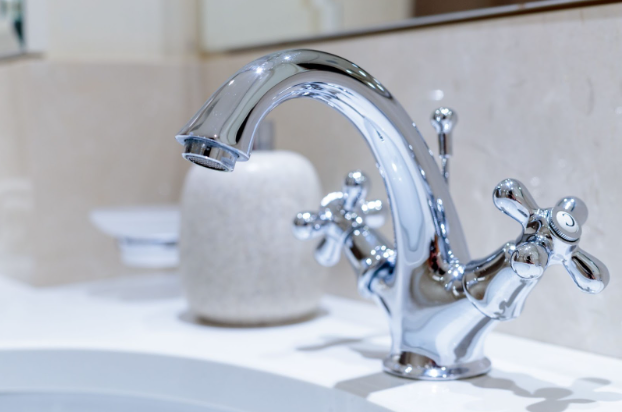
Deck-mounted taps suit most off-the-shelf basins. They’re easier to pair with standard tapware, especially if you’re working with pre-cut holes or existing vanities. Changing your mind later on is also simpler, just unscrew and swap the tap.

Space: Fitting into the Layout You Have

A tap should fit the space without forcing extra work. Where it goes and how it connects can affect your walls, plumbing, and daily use.

Wall-mounted taps require enough wall cavity to run hidden pipes. If your wall is too thin or built with lightweight materials, extra work may be needed. 

Plus, any misalignment between spout and basin may only be noticed after tiling, so early planning is essential.

Deck-mounted taps need surface space, but installation is more forgiving. If the basin or countertop already has holes, you’re ready to go. 

Maintenance access is easier too, no need to break tiles to reach a leaking connection. Just check the underside has room for pipework, especially in tight vanity units.

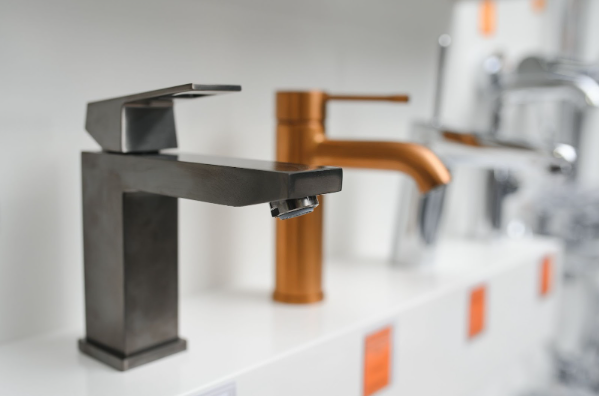
black and gold bathroom tao
(Source: Envato)

Real-Life Factors: What to Consider Before Choosing

Style matters, but how your bathroom tap works in daily life matters more. Here’s what to think about before deciding:

  1. Space Limitations in HDB and Condo Bathrooms
    Most units have compact bathrooms with fixed layouts. Wall-mounted taps need precise placement and more depth behind the wall, which can be tricky in older HDBs or when the walls back onto service areas.

    If you’re working within tight dimensions, deck-mounted taps give you more flexibility without hacking or reconfiguring plumbing.

  2. Built-in Vanity Units and Prefab Basins
    Many homes come with prefabricated vanities or standard-size basins that already have tap holes.

    In these cases, deck-mounted taps are the practical choice unless you’re customising from scratch. Trying to convert to wall-mounted may require hacking tiles or modifying cabinetry.

  3. Water Pressure in High-Rise Buildings
    Water pressure varies across units and floors. Wall-mounted taps often have longer spouts, so lower pressure may affect flow strength.

    Deck-mounted taps are closer to the basin and may deliver a steadier stream with fewer issues, especially in older flats.

  4. Cleaning Routines and Surface Exposure
    Singapore’s climate encourages quick mould and mineral build-up. Wall-mounted taps make it easier to wipe down the basin surface with fewer corners to trap moisture.

    But if the tap placement isn’t exact, you’ll deal with splash zones and hard-to-reach water trails on the wall.

  5. Resale Value and Long-Term Maintenance
    Wall-mounted taps look modern, but not every buyer is keen on maintaining in-wall plumbing. 

    Deck-mounted taps are easier to replace or upgrade without disrupting tiles. If you plan to rent out or sell in the future, accessibility can be a plus.

  6. Renovation Timelines and Scope
    Wall-mounted taps require planning before tiling and waterproofing. If you’re rushing your reno or just replacing fittings, deck-mounted saves time and avoids structural work. 

    This is especially important if you’re limited by HDB’s 1-month or 3-month reno window.

  7. Access to Replacement Parts and Fittings
    Deck-mounted taps are more common in local hardware shops and bathroom showrooms. This makes replacements or upgrades easier, especially if you’re doing it yourself. Wall-mounted taps often require exact brands or sizes to match existing in-wall fittings.

  8. Noise Control
    In-wall plumbing can amplify water flow sounds, depending on how it’s fitted and the type of wall. In smaller homes, this may matter, especially at night. Deck-mounted taps with surface pipework may produce less echo through walls.

  9. Bathroom Usage Pattern
    Is the bathroom tap for a master bathroom, a guest toilet, or a shared family space? Wall-mounted taps look neater in display areas or minimalist bathrooms. 

    Deck-mounted taps are better for high-use spaces where access and repairs need to be quick and easy.
(Source: Envato)

Installation, Cleaning and Cost Considerations

A bathroom tap also comes with different levels of effort, upkeep, and cost. Here’s what to expect:

  • Installation Requirements
    Wall-mounted taps require concealed plumbing, which needs enough wall depth and early planning.

    In many HDB or condo bathrooms, this means hacking tiles, rerouting pipes, and coordinating with your contractor before waterproofing begins. It’s not ideal for minor upgrades.

    Once the wall is sealed, making adjustments is difficult and may require a permit for reworks.

    Deck-mounted taps are more straightforward. Most basins, especially those installed by developers, already come with pre-cut holes.

    That means no need for hacking or tile work. It’s a better fit if you’re only replacing fittings or working within the 3-month renovation period allowed in HDBs.

  • Ease of Cleaning
    Wall-mounted taps keep your counter area clear. In Singapore’s humid weather, this helps reduce trapped moisture and mould around the basin. With fewer fittings in contact with water, it’s easier to wipe down surfaces quickly.

    Deck-mounted taps can collect water around the base, especially in small bathrooms with poor airflow. Regular wiping is needed to avoid mineral stains or grime build-up as it is one of the common issues in homes with hard water areas or frequent use.

  • Upfront and Long-Term Costs
    Wall-mounted taps cost more to install due to concealed pipework, wall prep, and finishing. Labour charges in Singapore can vary based on access and layout.

    And if repairs are needed later, you’ll likely need to remove tiles or open up part of the wall.

    Deck-mounted taps are widely available in local shops and easier to replace without major works.

    If you’re planning to upgrade fittings over time or keep renovation costs low, this option offers more flexibility and quicker turnarounds, especially important when working within a fixed renovation budget or timeline.
woman choosing taps in a store
(Source: Envato)

Which One’s Right for You?

Choosing a bathroom tap comes down to what your space can handle, how much change you’re planning, and how the tap will be used daily. Here’s a simple guide to help you decide.

Go with a wall-mounted tap if:

  • You’re doing a full renovation and walls are already being opened
  • You want a clean, open surface without fittings on the basin
  • You’re ready to commit to a layout that won’t change anytime soon
  • You’re working with a contractor who can plan and align everything from the start

Go with a deck-mounted tap if:

  • You’re upgrading fittings without major renovations
  • You need something quick, accessible, and easy to replace later
  • You prefer fittings that work with standard basins and vanities
  • You want easier access for future repairs or part replacements

If you’re unsure, always check what’s already built into your basin, wall, or vanity before making the call. A small decision at the start can save a lot of back-and-forths and costs later on.

Final Thoughts

Still deciding between wall-mounted or deck-mounted bathroom tap? If you’re going for a clean, modern look and have the flexibility to build around it, wall-mounted might be worth it. But if you want something simple, practical, and easy to change down the road, deck-mounted will do the job.

Shop for our bathroom taps now at Sim Siang Choon Singapore’s official store on Shopee or Lazada!

MORE UPDATES

a white toilet bowl

Different Types Of Toilet Bowls

We spend a lot of time in the bathroom and a large portion of that is on our toilets. In fact, it is estimated that we

Leave a Reply

Your email address will not be published. Required fields are marked *