
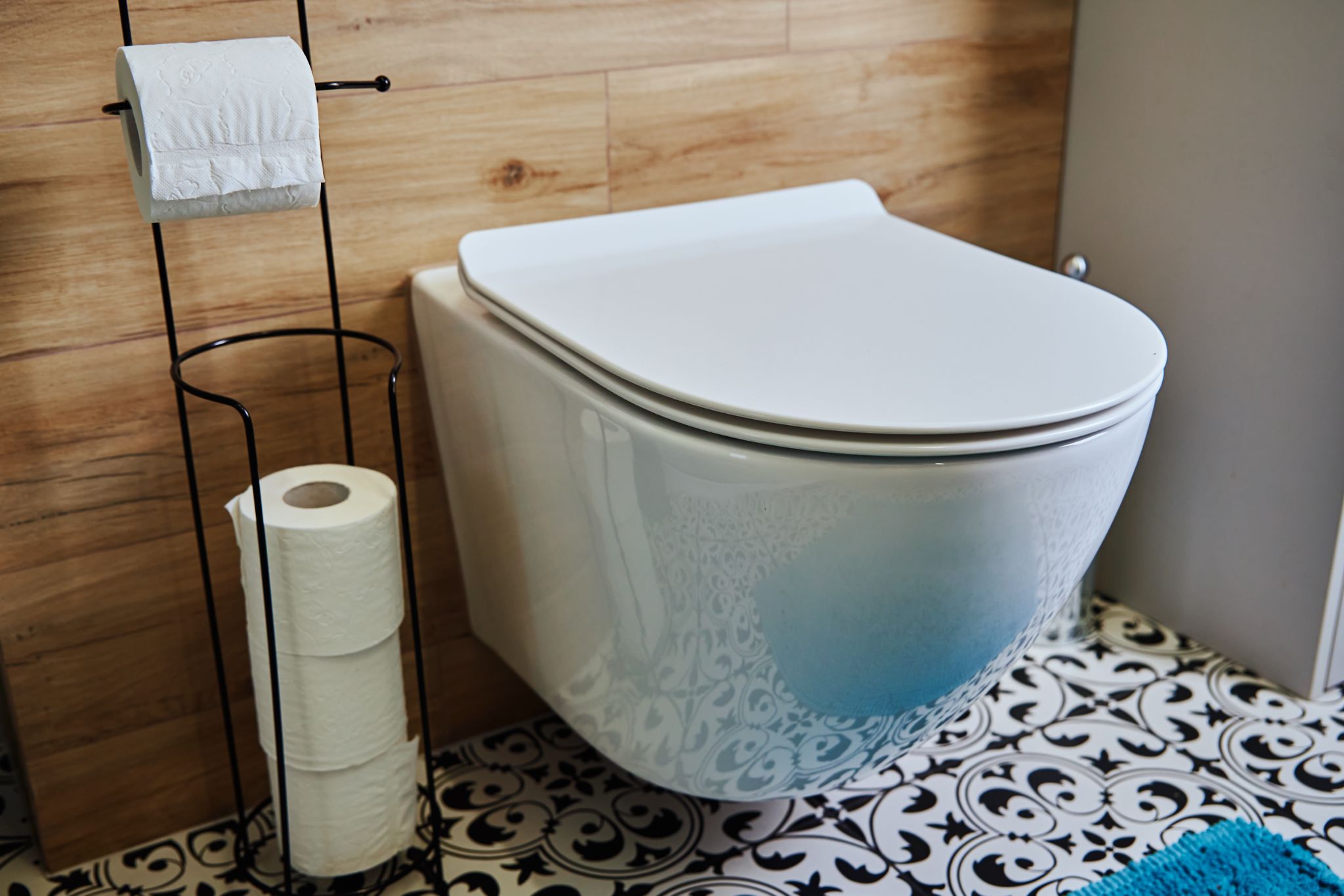
What are Wall Hung Toilets – How Do They Work?
What Are Wall Hung Toilets? How Do They Work? Modern bathrooms are no longer just functional spaces. They are designed to look clean, spacious and

A water heater is essential for daily comfort, whether it’s for warm showers, cooking, or cleaning. But like any appliance, your water heater can develop issues over time.
Most of the time the issues are small, but some of them require urgent professional attention.
In this guide, we’ll break down the most common water heater problems, why they happen, and how to fix or prevent them.
To answer the first question in this article, leaking water heaters are perhaps the most serious common problem of them all.
This is because a leaking water heater can lead to water damage, mold, or even electrical danger.
Several things can cause a heater to leak :
Before proceeding to repair your leaking water heater, take this note to heart! Leaks around electrical components or gas parts are especially risky.
If you’re not sure where a leak is coming from, or if tightening makes no difference, it’s wise to call a qualified plumber or technician.
Fixing a leak usually requires a few careful steps:
Step 1 Turn off the power – shut off the circuit breaker on electric units, or turn off the gas on gas heaters.
Step 2 Shut off the water supply, so no more water is flowing in.
Step 3 Locate the source of the leak:
In some cases, your heater just won’t warm the water properly, or stops producing hot water altogether.
This problem is usually the main cause of annoyance. Here are some general causes for such problems :
No Hot Water: This could be due to a tripped circuit breaker, a failed thermostat, or (in gas heaters) a pilot light that’s gone out. Try resetting or checking fundamentals first.
Not Hot Enough: Often caused by sediment build-up inside the tank, which reduces heating efficiency. Another possibility is incorrect thermostat settings.
What to do?
Flush the tank to remove sediment. If that doesn’t help, you may need to replace a heating element or thermostat.
If the water temperature jumps between hot and cold, or if the pressure feels uneven, the issue might lie with your thermostat, a mixing valve, or internal blockages caused by mineral deposits.
Over time, these can degrade performance and make showering a frustrating experience.
To fix it:
Is your water heater making weird noises such as popping, rumbling, or hissing?
These are usually caused by mineral deposits inside the tank.
This means water gets trapped under a layer of sediment, and heating causes bubbling or expansion, which makes noises.
What is the solution?
A periodic flush of the water heater typically reduces these sounds. If the noises persist, check pressure or replace any failing components.
If your hot water is coming out brown or rusty, that’s a signal that something inside the heater is corroding.
Common causes could be :
Fix & Future Prevention :
In this article, we’ve explored the most common water heater issues including leaking tanks, temperature problems, noisy operation, and rusty or discoloured water.
While these are all problems that can be handled with basic maintenance or component replacement, repeatedly addressing these problems can become costly and time-consuming.
More importantly, dealing with symptoms alone doesn’t guarantee the issue won’t come back.
Rather than continually repairing an aging or unreliable heater, a wise long-term strategy may be to focus on prevention.
A highly effective way to reduce or even eliminate many of the common issues is to invest in a reputable, quality water heater.
Choosing a trusted brand ensures you start with a better-built water heater unit.
Here are some reasons why this approach makes sense:
If you’re considering a replacement, you might look at reliable brands such as Ariston, Rheem, 707, and Joven, which are available from retailers like Sim Siang Choon.
Depending on your needs (space, usage, budget), you can choose between storage heaters and instant heaters.
Some great models to consider include:
By selecting a high-quality, reputable water heater, you invest not only in better performance today but in reduced maintenance costs and risk mitigation for the future.
If you’re planning to upgrade your bathroom or looking for reliable water heaters and bathroom accessories, you can explore the range available at Sim Siang Choon.
We offer reputable brands and quality products designed for long-term performance.
What Are Wall Hung Toilets? How Do They Work? Modern bathrooms are no longer just functional spaces. They are designed to look clean, spacious and
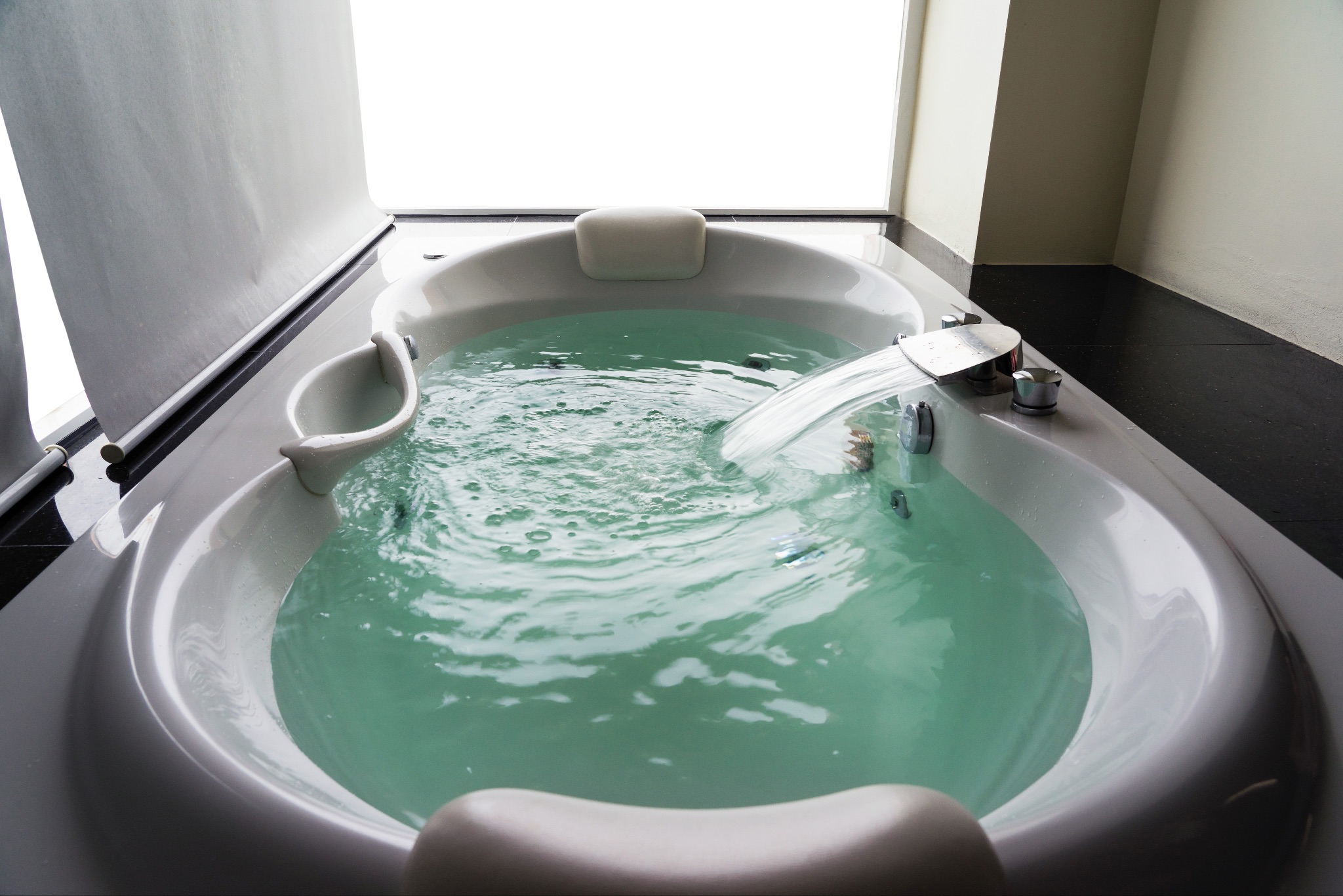
Are you conflicted between buying a jetted bathtub or a soaking bathtub? These bathtubs are popular bathroom fixtures that can improve your bathing experience. They

We spend a lot of time in the bathroom and a large portion of that is on our toilets. In fact, it is estimated that we